Understanding the History and Safety Lessons of a UPS Plane Crash
The term UPS Plane Crash signifies more than just an accident; it marks a pivotal moment that historically drives significant changes in aviation safety protocols. Examining past incidents involving UPS cargo aircraft provides crucial insights into the continuous efforts made by the Federal Aviation Administration (FAA), the National Transportation Safety Board (NTSB), and UPS itself to enhance Global Air Cargo Safety standards.

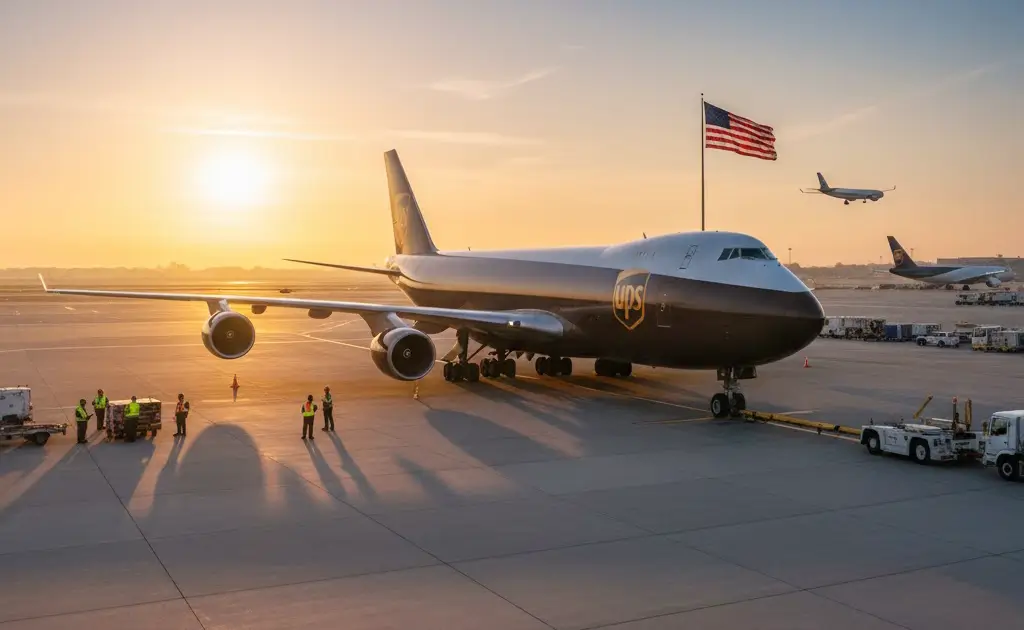
Detailed Analysis of Past Incidents and NTSB Findings
Major historical UPS Plane Crash investigations have consistently revealed key areas for improvement. For instance, detailed NTSB findings have often highlighted the necessity for stricter adherence to non-precision approach procedures, the enhancement of Crew Resource Management (CRM) during high-stress situations, and the mandate for advanced cockpit alert systems. These incidents serve as powerful, albeit tragic, lessons in operational risk management within the highly regulated air transport sector.
The Impact of a UPS Plane Crash on Cargo Fire Safety
One of the most consequential outcomes following specific UPS Plane Crash events has been the demand for improved cargo fire suppression technology. Unlike passenger aircraft, cargo planes often carry diverse materials, increasing the fire risk. Recommendations often push for fire-retardant liners, more sophisticated smoke detection equipment, and rapid depressurization capabilities to better control airborne hazards. These changes represent substantial investments in preventing future accidents.
Focus on Pilot Training and Fatigue Management
Human factors remain a critical area of focus. Every UPS Plane Crash investigation places emphasis on pilot training, especially concerning decision-making under adverse weather or mechanical stress. Furthermore, fatigue management programs are continually refined to ensure that flight crews maintain optimal readiness. These measures are central to UPS's commitment to maintaining a robust safety record across its global fleet operations.
Frequently Asked Questions (FAQ) About UPS Flight Safety
What were the primary causes identified in past UPS plane crash incidents?
Investigations into past UPS Plane Crash incidents have often cited factors like pilot error, procedural non-compliance during approach, fatigue, and specific mechanical failures. These findings led to mandated changes in crew training and cockpit resource management (CRM) standards.
How did NTSB reports impact UPS flight safety procedures?
NTSB (National Transportation Safety Board) reports following a **UPS Plane Crash** typically result in key safety recommendations focused on better alerting systems, enhanced fire suppression technology in cargo holds, and revised landing procedures, which UPS and the FAA often adopt.
Are cargo flights more vulnerable than passenger flights?
While overall commercial flight safety standards are similar, cargo flights sometimes face unique risks, such as flying routes with more challenging conditions or carrying specialized, potentially hazardous freight. However, continuous improvements address these differences.
What is the role of human error in a UPS plane crash?
factors, including decision-making under stress or fatigue, have been significant contributors in several historical **UPS Plane Crash** cases. Subsequent industry focus has shifted heavily toward improved rest periods, better automation management, and comprehensive flight simulator training.
What aircraft models were involved in historical UPS plane crash incidents?
Past incidents have involved models like the Boeing 747 and Airbus A300. Investigations specific to each **UPS Plane Crash** have focused on the unique operational characteristics and maintenance records of the aircraft involved.
