The Sweet Menace: Uncovering the Hidden Dangers of Excess Sugar Intake
Sugar provides a quick burst of energy and a momentary feeling of satisfaction, making it a ubiquitous part of the modern diet. However, when consumed in excess, this seemingly innocent ingredient transforms into a sweet menace, posing severe and long-term health risks to the body. Understanding the complex mechanisms by which excess sugar harms major organs is the first step toward reclaiming your health.


The Domino Effect: Sugar's Impact on Major Systems
The health consequences of chronic high sugar intake are far-reaching, causing a variety of physical problems. The key areas affected here are:
1. The Obesity & Insulin Resistance Connection
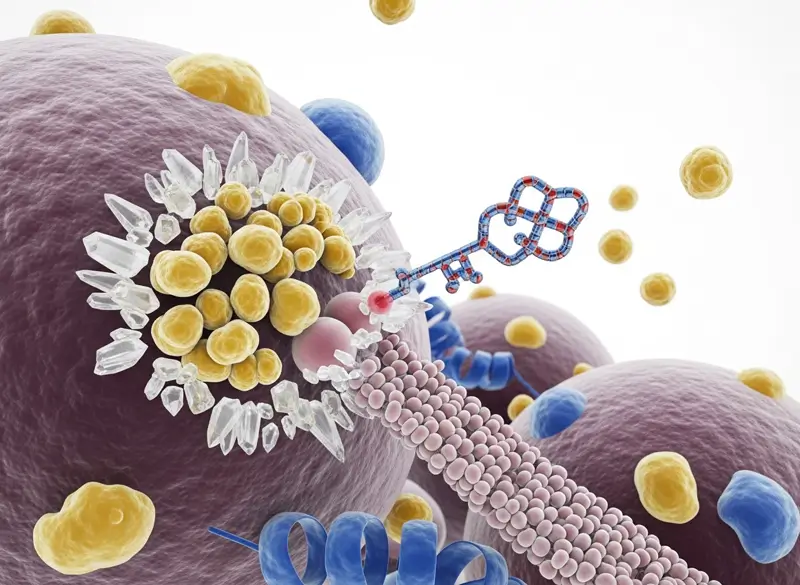
One of the most immediate effects of eating too much sugar is weight gain. Excess calories from sugar, especially Fructose, are converted into fat and stored, leading to obesity. More critically, continuous sugar spikes force the pancreas to constantly overproduce insulin. Over time, the body’s cells become desensitized to this hormone, a condition known as insulin resistance.
This resistance is the direct pathway to Type 2 Diabetes, as the body loses its ability to effectively regulate blood glucose levels.
2. Heart Disease: A Silent Threat
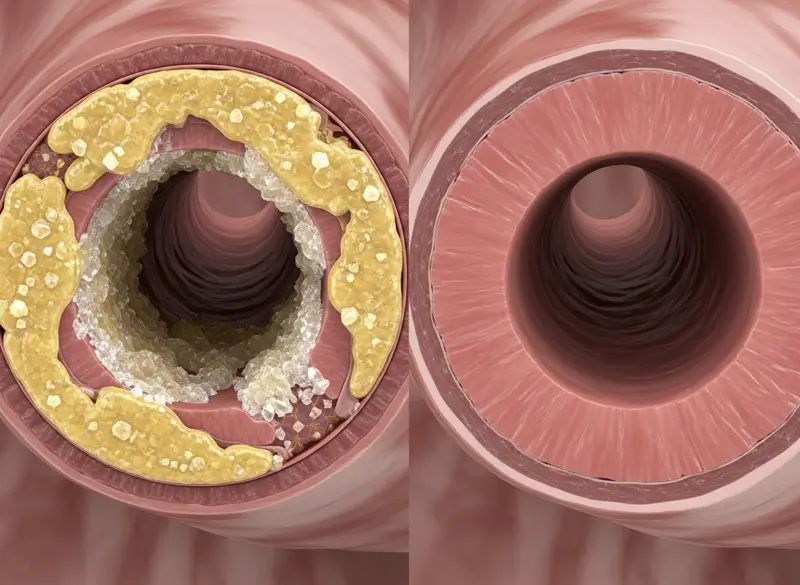
Beyond weight gain, sugar is now recognized as a major contributor to cardiovascular issues. High sugar intake leads to increased blood pressure, elevated levels of unhealthy blood fats (triglycerides), and chronic inflammation. These factors work together to damage arteries, significantly raising the risk of heart attacks and strokes. Limiting refined sugar is a crucial step in cardiovascular health management.
3. Non-Alcoholic Fatty Liver Disease (NAFLD)
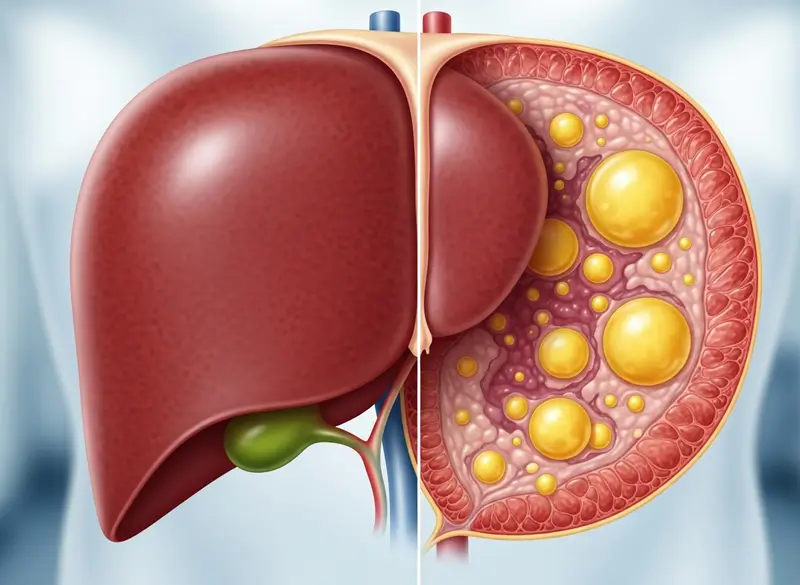
The liver is the body's central processing unit. When it receives a large, constant load of Fructose, it processes it by converting it directly into fat. This fat builds up, resulting in Non-Alcoholic Fatty Liver Disease (NAFLD), a condition traditionally associated with alcohol abuse but now increasingly linked to excessive sugar and processed food consumption. NAFLD can progress to more serious liver damage, including cirrhosis.
4. Inflammation and Cancer Risk
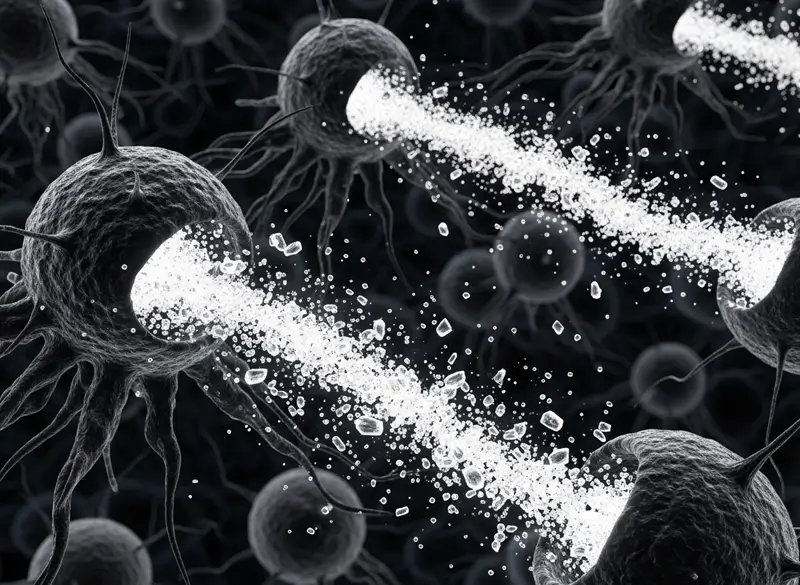
Chronic, low-grade inflammation is a root cause of many diseases, including cancer. Excess sugar consumption fuels this inflammation throughout the body. Furthermore, many cancer cells thrive on glucose for energy, suggesting that diets high in sugar may promote the proliferation and survival of certain cancerous tumors.
Practical Steps: Mastering Your Sugar Intake
Maintaining optimal health requires a conscious effort to keep sugar intake within a reasonable range. The World Health Organization (WHO) recommends limiting free sugars (added sugars, honey, syrups, fruit juice) to less than 10% of total daily energy intake.
- Read Labels Diligently: Look beyond the 'Sugars' line. Check ingredients for hidden names like High-Fructose Corn Syrup, Dextrose, Maltose, and Sucrose.
- Cut Sugary Drinks: Eliminate sodas, sports drinks, and commercially sweetened juices. Water, herbal teas, or plain coffee are healthier alternatives.
- Choose Whole Foods: Opt for whole fruits (which contain fiber to slow sugar absorption) over fruit juices, and unprocessed vegetables over sweetened sauces.
- Cook at Home: Preparing meals at home gives you full control over the amount of sugar added.
Frequently Asked Questions (FAQ)
What are the primary health risks of consuming too much sugar?
Excess sugar intake significantly increases the risk of obesity, Type 2 Diabetes, Non-Alcoholic Fatty Liver Disease (NAFLD), heart disease, and certain types of cancer due to inflammation and insulin resistance.
How does sugar consumption lead to fatty liver disease?
The liver processes fructose, a component of sugar. When consumed in excess, the liver converts the surplus fructose into fat, which accumulates and leads to Non-Alcoholic Fatty Liver Disease (NAFLD).
What is 'insulin resistance' and how is it related to sugar?
Insulin resistance occurs when cells stop responding effectively to the insulin hormone, forcing the pancreas to produce more. Chronic high sugar intake causes this resistance, which is the precursor to Type 2 Diabetes.
What is the recommended daily sugar intake limit for adults?
The World Health Organization (WHO) recommends limiting 'free sugars' to less than 10% of total energy intake, and ideally, less than 5% (about 6 teaspoons or 25 grams) per day for additional health benefits.
What are some simple ways to reduce hidden sugar in my diet?
Replace sugary drinks (soda, juice) with water; check food labels for 'hidden sugars' like high-fructose corn syrup; and choose whole, unprocessed foods instead of packaged snacks and sweetened cereals.
Disclaimer: This article is for informational purposes only and does not constitute medical advice. Consult a healthcare professional for personalized health guidance.


No one could explain it so well before, so I did a lot of damage to my body, and now I have benefited a lot from reading your article. Thank you for explaining it so beautifully.
I read the article from Brazil. It has very good rules. I got a lot of useful information and my family is very happy now.
I used to eat a lot of sugar, but after listening to you, I don't eat much sugar anymore and I don't have any symptoms of any disease.
I read your article carefully and understand that it provides accurate information.